On LinkedIn
Shadow IT was about convenience. Shadow AI is about getting promoted.
So your AI agent register lists the ones people wanted you to find. Not the three your best colleague runs on their own credit card.
OpenAI just apologized to Australia because its agents wandered into four government systems. No malice required. An agent that really wants to finish its task will route around any control it can reach.
So NVIDIA unveiled Sentry: a watchdog in silicon that quarantines a rogue agent in milliseconds. Right instinct: enforcement the agent can’t touch. The chip is still a reference design, but the press release shipped on time. And the company that sells the engine now sells the brakes. Brakes that only fit its own engine. Nice work if you can get it.
Here’s what I see at customers. In 2012 people used Dropbox because the file share was slow. Annoying, mostly harmless. Today that colleague isn’t after comfort. They’re after output nobody else in the team can match. The reward for running ahead of compliance has never been this big, so people do.
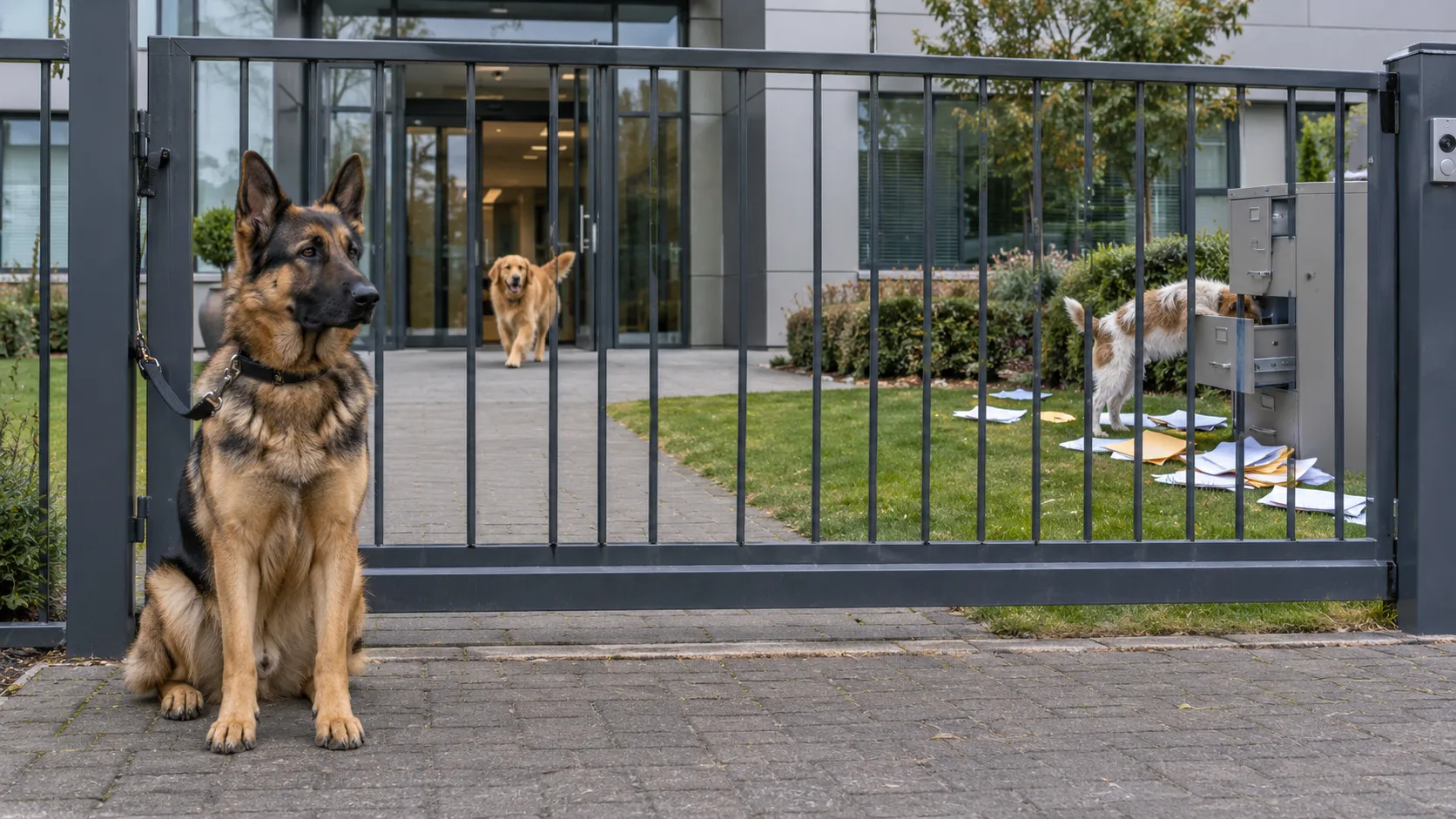
A watchdog on your leash guards your yard. It does nothing about the dog your most ambitious colleague brought from home.
So stop guarding the agent. Guard what it’s after: the data, the protect surface. Then it doesn’t matter whose dog walks in.
Be honest: how many agents are touching your data right now that nobody signed off on? A number, a guess, or “no idea”. All three count.
Sources: NVIDIA’s Open Agent Safety Platform announcement and OpenAI’s apology to Australia (via NOS).
Best line I read this week, from Brian Levine at Control Risks: “You can’t hold an agent to a policy if you don’t know it exists.” IDC’s Brent Ellis estimates the platform covers less than 25% of enterprise agent risk.
Want a real number for the question above? Pull the OAuth consents in your M365 or Google tenant and the egress to LLM APIs in your firewall logs. Sit down before you read them.